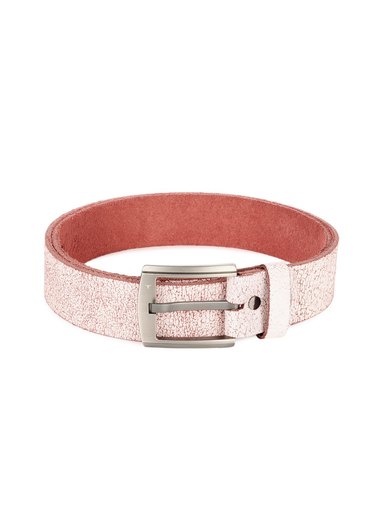
Puma Unisex Retro Pack of 2 Socks is the title recorded for the accompanying product photograph. The catalog classifies it as Socks.
The catalog colour field is Cream. The photograph and these catalog fields refer to the same product record. Dimensions, materials, current availability, and warranty terms are not established by a photograph; confirm them with the current seller.
Sock arrival checks
Check that sock pairs match each other in size, colour and quantity on arrival. Inspect cuffs, toe seams and labels before wearing, and compare the seal or packaging condition with the seller description of the pack. Confirm whether the offer is new, display stock or previously used, and request disclosure of relevant marks. Review the available sock arrival checks evidence before ordering. Inspect the delivered item promptly against that description. Keep photographs of any discrepancy and follow the seller reporting process before wearing or altering the item.
Sock hygiene terms
Read any sock hygiene restrictions before opening sealed packaging or trying on a pair. Check whether a multipack must be returned complete, including unused pairs and labels, if its size does not suit the wearer. Compare the supplied sock hygiene terms details across listings. Check when the return window begins, the required condition and who pays return shipping. Keep the listing and order confirmation until the decision is final. Resolve unclear exclusions before purchase rather than finding out after changing or using the supplied item.
Sock activity needs
For the intended activity, ask about sock cushioning placement, seam construction and the care routine between wears. Do not infer moisture management, compression or protective performance from a sports word in the product title or a photograph. Describe the intended setting before comparing the current specification. Keep a separate note about sock activity needs questions. Ask which limitations the maker states and whether the suggested care is practical. Marketing photographs can illustrate a style, but they do not establish suitability for every activity or prove a particular level of performance.
Shoe allowance
Consider how the sock thickness and toe seam may occupy space inside the intended shoes. Compare cuff height with the shoe collar, and ask for thickness guidance instead of assuming a sports label guarantees the right fit. Compare the relevant measurements and adjustment details with the items already in use. Ask for a clear answer about any unlisted requirement. A broad product category is a starting point for comparison, not evidence that the offered variant will suit every wearer. Clarify any missing shoe allowance information in writing.
Sock colour finish
Check the colour of every sock pair included, not only the pair shown at the front of a pack. Ask about contrasting heel, toe or logo areas if matching a uniform or an existing outfit matters. Clarify any missing sock colour finish information in writing. Compare more than one current image under different lighting where available. Keep the recorded colour separate from screen appearance, and ask the seller to explain any finish treatment. Do not transfer a finish claim from another colour or a similar product.
Cuff comfort
Ask about the sock cuff adjustment or stretch description and compare it with the intended wearing duration. A ribbed appearance does not establish how tightly a cuff feels, so treat comfort as a fit question rather than a proven claim. Start with the intended wearing routine and distinguish essential requirements from preferences. Compare the written answers with an item that already works well. Check the current documentation for cuff comfort details. Where the seller offers no relevant information, keep the question open instead of converting a promotional description into a conclusion.
Sock claim terms
Ask how the seller handles a missing pair, an incorrect size label or a faulty sock seam. Distinguish those issues from ordinary wear, and check whether any stated guarantee applies after a pair has been worn. Read the current written terms for the exact seller and sales channel. Identify the provider, duration, exclusions and evidence needed for a claim. Keep those terms with the order; a familiar brand name alone does not establish coverage for the offered item. Request a clear explanation of sock claim terms first.
Toe and heel seams
Inspect the sock toe seam, heel shaping and cuff edge in close views. Ask whether a raised seam or thick cushioning occupies space inside the intended shoes rather than assuming all sports socks have the same construction. Request close views of the relevant areas and compare them with the written construction description. Ask which details are functional and which are decorative. A neat exterior is useful visual evidence, but it does not establish hidden assembly or long term durability. Resolve any uncertainty about toe and heel seams before checkout.
Sock photo checks
Look for flat front and back views of a sock, the toe seam, heel and packaging label. Ask for the pack contents to be visible together if the listing photograph only shows one pair. Match those views to the listing title and selected variant before comparing details. A missing angle is an unanswered inspection point, not proof of damage. Review the available sock photo checks evidence before ordering. Request a current image when a stock photograph cannot show the offered item clearly enough to decide.
Fibre composition
Ask for the sock fibre percentages, including stretch yarn where present. Distinguish a cotton blend description from an actual composition label, and ask whether reinforced toe or heel areas use different yarns. Inspect the offered item for fibre composition evidence. Separate the main material from trims and finishes in the written description. Ask for the composition of the exact variant, not a general collection description. Consider any personal sensitivities and care requirements without treating appearance as proof of composition or performance.