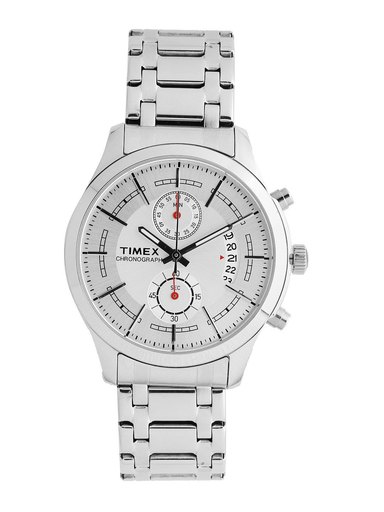
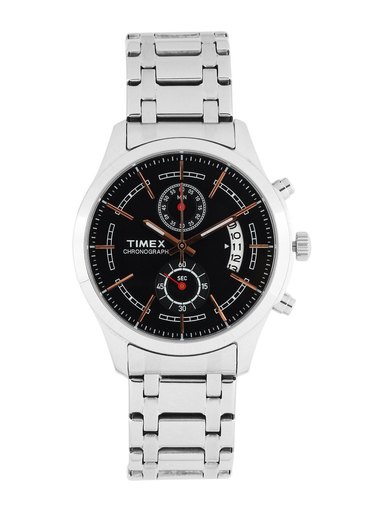
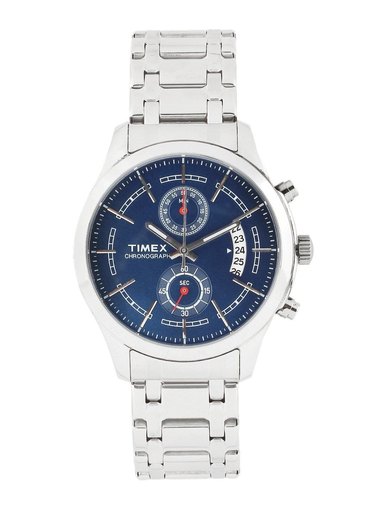
Aspen Women Black Dial Watch is the title recorded for the accompanying product photograph. The catalog classifies it as Watches.
The catalog colour field is Black. The photograph and these catalog fields refer to the same product record. Dimensions, materials, current availability, and warranty terms are not established by a photograph; confirm them with the current seller.
Strap and clasp fit
Check the watch strap adjustment range, clasp operation and lug width if a replacement strap matters. Compare those measurements with the intended wrist and ask about removable links before assuming the supplied bracelet can be sized as needed. Compare the relevant measurements and adjustment details with the items already in use. Request a clear explanation of strap and clasp fit first. Ask for a clear answer about any unlisted requirement. A broad product category is a starting point for comparison, not evidence that the offered variant will suit every wearer.
Watch adjustment returns
Before shortening a watch bracelet or removing protective films, check whether those actions affect returns. Resolve any uncertainty about watch adjustment returns before checkout. Ask how missing links, changed straps or signs of wear are handled and whether the watch must return with all supplied documents. Check when the return window begins, the required condition and who pays return shipping. Keep the listing and order confirmation until the decision is final. Resolve unclear exclusions before purchase rather than finding out after changing or using the supplied item.
Watch case sizing
Request watch case width, thickness and lug to lug length with units. Compare the measurements to the intended wrist; a women or men label does not establish the size, and a close dial photograph can distort scale. Use the exact size option on the current listing and retain its units. Clarify any missing watch case sizing information in writing. Compare it with a familiar item measured in the same way. Ask whether each measurement describes the product or the wearer, and request the missing values before choosing.
Watch assembly checks
Inspect the watch crown, strap attachment, clasp and bracelet joints in close photographs. Ask how the strap or removable links are secured and which adjustments require a suitable tool or a qualified watch service provider. Request close views of the relevant areas and compare them with the written construction description. Ask which details are functional and which are decorative. Resolve any uncertainty about watch assembly checks before checkout. A neat exterior is useful visual evidence, but it does not establish hidden assembly or long term durability.
Dial readability
Consider the relationship between watch dial size, markers, hands and any displayed windows. Ask for a straight view rather than relying on a dramatic angle, and keep personal readability preferences separate from unverified claims about legibility. Use a familiar item as a scale reference and check the seller measurements against it. Compare the supplied dial readability details across listings. Close photographs can exaggerate small details. Ask about the proportions that matter for the intended use rather than assuming that every pictured component has the same size.
Movement and use
Ask which movement powers the watch, how its controls operate and what servicing it requires. Request any stated resistance conditions in writing; a sporty dial or decorative design does not prove accuracy, water resistance or suitability for a particular activity. Describe the intended setting before comparing the current specification. Ask which limitations the maker states and whether the suggested care is practical. Clarify any missing movement and use information in writing. Marketing photographs can illustrate a style, but they do not establish suitability for every activity or prove a particular level of performance.
Watch image checks
Request watch front, side, back and clasp views where available. Compare the visible reference markings and dial layout with the selected variant, while recognising that an exterior image does not identify the internal movement or certify authenticity. Match those views to the listing title and selected variant before comparing details. A missing angle is an unanswered inspection point, not proof of damage. Request a current image when a stock photograph cannot show the offered item clearly enough to decide. Clarify any missing watch image checks information in writing.
Watch reference match
Match the watch dial layout, case reference and selected strap option to the current offer. Request the movement description and included documents from the seller; neither a familiar name nor a photograph establishes those details on its own. Use the current offer rather than an old catalog entry to confirm availability, total price and seller contact details. Resolve any uncertainty about watch reference match before checkout. Save the selected variant and supplied description with the order. Product identity and transaction terms are different records and should not be treated as interchangeable.
Watch condition checks
Inspect the watch crystal, case edges, crown and clasp for disclosed marks on arrival. Check whether a bracelet has already been sized and whether removed links are included; request the offered unit condition rather than relying on stock images. Confirm whether the offer is new, display stock or previously used, and request disclosure of relevant marks. Keep a separate note about watch condition checks questions. Inspect the delivered item promptly against that description. Keep photographs of any discrepancy and follow the seller reporting process before wearing or altering the item.
Case and strap materials
Ask separately about the watch case, case back, crystal and strap or bracelet materials. A metal coloured surface does not establish the base metal or plating, and a leather look strap may need a more precise description. Compare the supplied case and strap materials details across listings. Separate the main material from trims and finishes in the written description. Ask for the composition of the exact variant, not a general collection description. Consider any personal sensitivities and care requirements without treating appearance as proof of composition or performance.