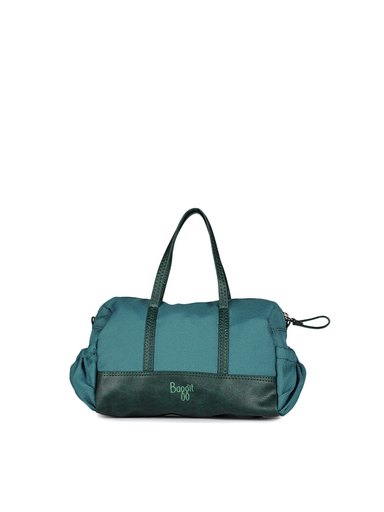
Murcia Women Tribal Orange Handbag is the title recorded for the accompanying product photograph. The catalog classifies it as Handbags in Bags.
The catalog colour field is Orange. The photograph and these catalog fields refer to the same product record. Dimensions, materials, current availability, and warranty terms are not established by a photograph; confirm them with the current seller.
Bag usable capacity
Request the bag external measurements and usable opening size, then compare them with the items to be carried. A phone, notebook or purse fitting through the opening is a separate question from fitting within the overall outer dimensions. Use the exact size option on the current listing and retain its units. Compare it with a familiar item measured in the same way. Ask whether each measurement describes the product or the wearer, and request the missing values before choosing. Compare the supplied bag usable capacity details across listings.
Bag interior views
Request bag exterior, base, interior, pocket and fastening photographs. Inspect the offered item for bag interior views evidence. Look for consistency between the layout shown and the selected size, and ask for a current interior image if a stock view hides the lining or compartment arrangement. Match those views to the listing title and selected variant before comparing details. A missing angle is an unanswered inspection point, not proof of damage. Request a current image when a stock photograph cannot show the offered item clearly enough to decide.
Bag variant identity
Match the bag size, colour, handle style and strap option to the selected offer. Similar photographs can represent different layouts, so confirm the pocket arrangement and included parts from the current seller rather than a neighbouring product listing. Use the current offer rather than an old catalog entry to confirm availability, total price and seller contact details. Save the selected variant and supplied description with the order. Request a clear explanation of bag variant identity first. Product identity and transaction terms are different records and should not be treated as interchangeable.
Bag wear inspection
Check bag corners, handle edges, lining and fastening areas for marks disclosed by the seller. Inspect removable straps and hardware on arrival, and compare the contents with the offered condition before using or loading the bag. Confirm whether the offer is new, display stock or previously used, and request disclosure of relevant marks. Inspect the delivered item promptly against that description. Keep photographs of any discrepancy and follow the seller reporting process before wearing or altering the item. Resolve any uncertainty about bag wear inspection before checkout.
Bag return condition
Before removing bag tags, applying a leather treatment or using the bag outside, review return requirements. Check whether detachable straps, covers and packaging must be included and how the seller treats marks caused by loading or carrying the bag. Check when the return window begins, the required condition and who pays return shipping. Keep the listing and order confirmation until the decision is final. Resolve any uncertainty about bag return condition before checkout. Resolve unclear exclusions before purchase rather than finding out after changing or using the supplied item.
Bag carry essentials
List the items you intend to put in the bag and check each against the opening and compartment measurements. Ask about strap adjustment for the intended carrying style rather than assuming every crossbody or shoulder description suits the same person. Compare the relevant measurements and adjustment details with the items already in use. Ask for a clear answer about any unlisted requirement. A broad product category is a starting point for comparison, not evidence that the offered variant will suit every wearer. Review the available bag carry essentials evidence before ordering.
Bag daily access
Think through how the bag will be opened, set down and organised during use. Request a clear explanation of bag daily access first. Ask about fastening operation and pocket access, keeping practical needs separate from unverified claims that a decorative clasp or surface automatically provides security or weather protection. Describe the intended setting before comparing the current specification. Ask which limitations the maker states and whether the suggested care is practical. Marketing photographs can illustrate a style, but they do not establish suitability for every activity or prove a particular level of performance.
Bag carrying comfort
Compare the bag handle drop, strap width and stated empty weight with the intended carrying duration. Ask for those details where missing and consider whether the handles allow the movement or outerwear required in the planned routine. Start with the intended wearing routine and distinguish essential requirements from preferences. Compare the written answers with an item that already works well. Where the seller offers no relevant information, keep the question open instead of converting a promotional description into a conclusion. Request a clear explanation of bag carrying comfort first.
Bag repair coverage
Check how the seller handles bag seam, handle or zip issues and whether repair services are offered. Inspect the offered item for bag repair coverage evidence. Distinguish a documented manufacturing fault procedure from promises about normal surface wear, accidental damage or carrying a load beyond stated limits. Read the current written terms for the exact seller and sales channel. Identify the provider, duration, exclusions and evidence needed for a claim. Keep those terms with the order; a familiar brand name alone does not establish coverage for the offered item.
Bag carrying proportions
Compare the bag height and width with the stated handle drop and strap length. Check the current documentation for bag carrying proportions details. Ask for a side view to understand depth, and consider whether the opening remains accessible when the bag is carried in the intended position. Use a familiar item as a scale reference and check the seller measurements against it. Close photographs can exaggerate small details. Ask about the proportions that matter for the intended use rather than assuming that every pictured component has the same size.