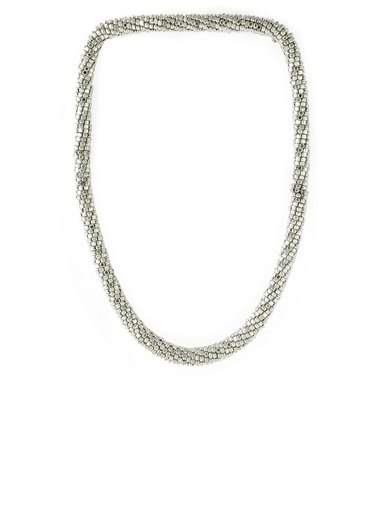
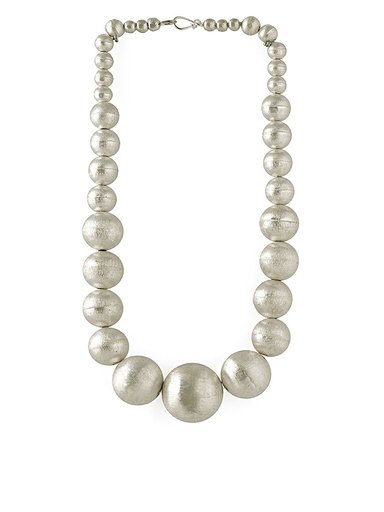
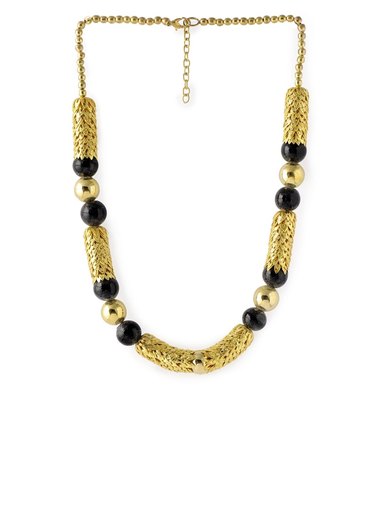
Rreverie Golden & Turquoise Blue Earrings is the title recorded for the accompanying product photograph. The catalog classifies it as Earrings in Jewellery.
The catalog colour field is Gold. The photograph and these catalog fields refer to the same product record. Dimensions, materials, current availability, and warranty terms are not established by a photograph; confirm them with the current seller.
Jewelry description match
Match the jewelry form, size, stated metal and any stone description to the exact offer. Review the available jewelry description match evidence before ordering. Ask for clarification of terms such as plated, simulated or treated rather than transferring claims from an adjacent item or a similar photograph. Use the current offer rather than an old catalog entry to confirm availability, total price and seller contact details. Save the selected variant and supplied description with the order. Product identity and transaction terms are different records and should not be treated as interchangeable.
Jewelry care routine
Obtain care instructions for the metal, coating and any stones or decorative components. Ask about moisture, chemicals and storage contact with other jewelry, and avoid applying a cleaning method intended for a different material or stone treatment. Keep a separate note about jewelry care routine questions. Obtain the instructions for the materials actually supplied and consider whether the routine suits regular use. Follow the written label rather than an online tip for a similar item. Ask for clarification when cleaning guidance conflicts with a finish or component description.
Jewelry scale
Compare jewelry component size with the intended wearing position and a familiar piece. Check the current documentation for jewelry scale details. Request a scale reference or written dimensions, and ask about weight when it affects use instead of judging size from a tightly cropped stone photograph. Use a familiar item as a scale reference and check the seller measurements against it. Close photographs can exaggerate small details. Ask about the proportions that matter for the intended use rather than assuming that every pictured component has the same size.
Jewelry use conditions
Describe the planned jewelry wearing routine and ask which exposure or activity restrictions the maker gives. Keep a separate note about jewelry use conditions questions. Keep metal composition and stone details separate from a style label; appearance alone does not establish suitability for water, chemicals or continuous wear. Describe the intended setting before comparing the current specification. Ask which limitations the maker states and whether the suggested care is practical. Marketing photographs can illustrate a style, but they do not establish suitability for every activity or prove a particular level of performance.
Jewelry sizing
Request the relevant ring size, chain length, pendant dimensions or earring measurements with units. Inspect the offered item for jewelry sizing evidence. Compare the exact jewelry form with a familiar item, since a close photograph can make a small decorative component appear much larger than it is. Use the exact size option on the current listing and retain its units. Compare it with a familiar item measured in the same way. Ask whether each measurement describes the product or the wearer, and request the missing values before choosing.
Jewelry wearing comfort
Consider jewelry weight, clasp access and the shape of edges in the intended wearing position. Check the current documentation for jewelry wearing comfort details. Ask for the stated measurements and compare them with a familiar piece, leaving comfort and any sensitivity concerns unresolved when the relevant details are missing. Start with the intended wearing routine and distinguish essential requirements from preferences. Compare the written answers with an item that already works well. Where the seller offers no relevant information, keep the question open instead of converting a promotional description into a conclusion.
Jewelry setting checks
Inspect the jewelry clasp, joins and any visible stone settings in close views. Ask how decorative pieces are attached and which parts may need servicing, while avoiding assumptions about hidden construction or stone security from one exterior image. Request close views of the relevant areas and compare them with the written construction description. Ask which details are functional and which are decorative. A neat exterior is useful visual evidence, but it does not establish hidden assembly or long term durability. Clarify any missing jewelry setting checks information in writing.
Jewelry image checks
Request jewelry front, back, clasp, marking and setting views where applicable. Match the visible details with the selected form and size, recognising that a photograph cannot establish metal purity, gemstone origin or the authenticity of supporting documents. Match those views to the listing title and selected variant before comparing details. A missing angle is an unanswered inspection point, not proof of damage. Request a current image when a stock photograph cannot show the offered item clearly enough to decide. Inspect the offered item for jewelry image checks evidence.
Jewelry service coverage
Check whether the seller offers jewelry clasp repair, resizing or setting inspection and what the written coverage excludes. Ask about the effect of outside alterations, ordinary plating wear or accidental damage instead of assuming all services accompany the purchase. Read the current written terms for the exact seller and sales channel. Identify the provider, duration, exclusions and evidence needed for a claim. Request a clear explanation of jewelry service coverage first. Keep those terms with the order; a familiar brand name alone does not establish coverage for the offered item.
Jewelry sizing returns
Review jewelry return restrictions before engraving, resizing or wearing a piece. Ask about hygiene exclusions for the relevant jewelry form and whether altered chain lengths, removed labels or missing packaging affect the options if the item proves unsuitable. Request a clear explanation of jewelry sizing returns first. Check when the return window begins, the required condition and who pays return shipping. Keep the listing and order confirmation until the decision is final. Resolve unclear exclusions before purchase rather than finding out after changing or using the supplied item.