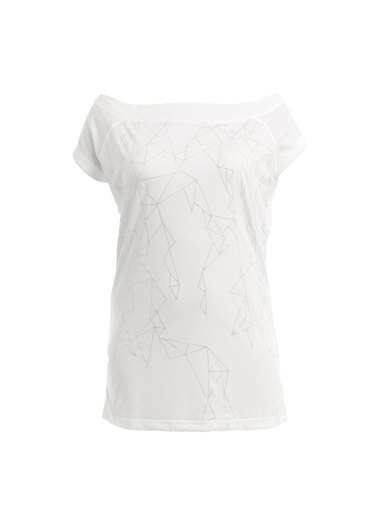
Tantra Unisex Printed Green Tshirts is the title recorded for the accompanying product photograph. The catalog classifies it as Tshirts in Topwear.
The catalog colour field is Green. The photograph and these catalog fields refer to the same product record. Dimensions, materials, current availability, and warranty terms are not established by a photograph; confirm them with the current seller.
Fabric wearing routine
Define when the garment will be worn and how often it can be cleaned within the stated care routine. Ask about fabric opacity, layering or warmth where relevant, without treating a seasonal label as proof of those qualities. Compare the supplied fabric wearing routine details across listings. Describe the intended setting before comparing the current specification. Ask which limitations the maker states and whether the suggested care is practical. Marketing photographs can illustrate a style, but they do not establish suitability for every activity or prove a particular level of performance.
Garment option match
Match the garment size, colour and included pieces to the basket entry. Ask about differences between the photograph and written description, especially if a jacket, shirt or other separate garment is styled with items that are not included. Use the current offer rather than an old catalog entry to confirm availability, total price and seller contact details. Save the selected variant and supplied description with the order. Clarify any missing garment option match information in writing. Product identity and transaction terms are different records and should not be treated as interchangeable.
Garment silhouette
Compare garment length, sleeve shape and the position of seams or openings with a familiar item. Ask for a flat view where a styled photograph hides proportion, and keep intended silhouette separate from assumptions about the wearer pictured. Use a familiar item as a scale reference and check the seller measurements against it. Close photographs can exaggerate small details. Request a clear explanation of garment silhouette first. Ask about the proportions that matter for the intended use rather than assuming that every pictured component has the same size.
Garment layering space
Consider the garment layer you intend to wear underneath and compare the relevant measurements. Ask about fastening or cuff adjustment where it affects use, rather than assuming the photographed styling demonstrates adequate space for the intended wearer. Compare the relevant measurements and adjustment details with the items already in use. Review the available garment layering space evidence before ordering. Ask for a clear answer about any unlisted requirement. A broad product category is a starting point for comparison, not evidence that the offered variant will suit every wearer.
Garment care label
Read the garment washing, drying and ironing instructions and any restrictions for trim or printing. Ask how removable pieces should be handled, and do not infer shrink resistance or safe machine washing from the fabric colour or texture. Obtain the instructions for the materials actually supplied and consider whether the routine suits regular use. Follow the written label rather than an online tip for a similar item. Compare the supplied garment care label details across listings. Ask for clarification when cleaning guidance conflicts with a finish or component description.
Garment alteration rules
Check garment return requirements before removing tags, washing or shortening a hem. Ask whether personalised items or incomplete sets are excluded and whether trying the garment on affects eligibility, using the current seller terms rather than a general assumption. Resolve any uncertainty about garment alteration rules before checkout. Check when the return window begins, the required condition and who pays return shipping. Keep the listing and order confirmation until the decision is final. Resolve unclear exclusions before purchase rather than finding out after changing or using the supplied item.
Garment arrival checks
Inspect the garment for matching size labels, seam issues, fastening operation and disclosed fabric marks. Check the current documentation for garment arrival checks details. Compare the delivered item with the selected colour and size before washing, altering or wearing it outside, while retaining the supplied labels. Confirm whether the offer is new, display stock or previously used, and request disclosure of relevant marks. Inspect the delivered item promptly against that description. Keep photographs of any discrepancy and follow the seller reporting process before wearing or altering the item.
Fabric colour finish
Compare fabric colour across panels and trim in current images. Resolve any uncertainty about fabric colour finish before checkout. Ask about any stated wash, print or coating treatment and whether the selected colour has different care guidance; screen appearance alone cannot establish shade accuracy or colour fastness. Compare more than one current image under different lighting where available. Keep the recorded colour separate from screen appearance, and ask the seller to explain any finish treatment. Do not transfer a finish claim from another colour or a similar product.
Garment measurements
Compare the garment chest, waist, sleeve and length measurements where relevant with clothing that fits. Ask whether the size chart gives body measurements or flat garment measurements, and use the same method when making the comparison. Use the exact size option on the current listing and retain its units. Check the current documentation for garment measurements details. Compare it with a familiar item measured in the same way. Ask whether each measurement describes the product or the wearer, and request the missing values before choosing.
Garment seam details
Inspect garment seams, hems, button attachments and zip ends where applicable. Ask whether visible stitching is decorative or functional and whether the offered style is lined, without inferring hidden reinforcement or durability from a neat exterior photograph. Request close views of the relevant areas and compare them with the written construction description. Resolve any uncertainty about garment seam details before checkout. Ask which details are functional and which are decorative. A neat exterior is useful visual evidence, but it does not establish hidden assembly or long term durability.